
An oxygen generator can show normal compressor pressure while receiving too little air, excessive moisture, or unstable flow at its inlet. By the end, you will be able to identify whether the fault lies in the piping, air treatment, filters, receiver, generator, or oxygen distribution line, and test each section under real operating load.
Key takeaways
- Check inlet pressure while the generator is adsorbing.
- Compare pressure before and after filters, dryers, valves, and pipe sections.
- Inspect undersized pipes, clogged filters, leaks, and restrictive fittings.
- Record pressure, purity, flow, and cycle alarms during troubleshooting.
The Feed-Air Conditions an Oxygen Generator Needs
A PSA oxygen generator needs the manufacturer’s specified inlet pressure while it is adsorbing, not merely a normal compressor-room gauge reading. Low or fluctuating pressure reduces the pressure swing available for nitrogen adsorption and bed regeneration, causing falling purity, reduced oxygen flow, abnormal cycles, or an inlet-pressure alarm.
VPSA units use a blower and vacuum cycle, but they still require stable feed-air flow and pressure within their specified range.
- Pressure: Measure at the generator inlet at rated flow. An undersized branch, long hose, blocked filter, or excessive elbows can leave the vessel starved even when compressor discharge pressure looks normal.
- Flow: Leaks, restricted valves, and inadequate pipe diameter reduce the air volume reaching each adsorption cycle. The compressor may run continuously while oxygen output falls.
- Temperature: Hot feed air increases moisture load and can exceed the generator’s inlet limit. Check temperature after the aftercooler and before the treatment train.
- Dryness: Liquid water and high humidity can damage molecular sieve and produce unstable purity. Use the specified receiver, automatic drains, filters, and dryer or pressure-dew-point arrangement.
- Cleanliness: Rust scale, welding debris, thread sealant, and cutting oil can block valves, solenoid pilots, filters, or sieve vessels. Clean and blow through new piping away from the generator before connection.
Air line piping problems in Bangalore deserve checks for monsoon humidity, dust, drain operation, ambient heat, and peak-demand pressure. Static pressure with the generator idle proves little; dynamic pressure during adsorption reveals the actual oxygen generator performance.
Match Piping Faults to Oxygen-Generator Symptoms
Low oxygen purity does not always mean the PSA generator is defective. Air line piping oxygen generator faults can remove feed-air pressure, restrict flow, contaminate molecular sieve, or prevent regeneration.
| Fault | Generator symptom | What it indicates |
|---|---|---|
| Low inlet pressure from a restricted branch, long run, or undersized pipe | Low purity, reduced flow, longer cycles, inlet-pressure alarm | Pressure loss between the compressor and generator |
| Pressure fluctuation from excessive elbows, a small hose, or unstable demand | Unstable purity, cycling alarms, changing oxygen flow | Insufficient pipe capacity or poor receiver buffering |
| Blocked filter or partly closed valve | Reduced oxygen output and low inlet pressure | Restriction before the generator |
| Leaking joints before the generator | Continuous compressor loading, low purity, reduced flow | Lost feed-air volume; test this section separately |
| Water in the pipe or filter | Unstable purity, contamination, or generator fault | Inadequate drains, dryer performance, or pipe routing |
| Blocked muffler, crushed exhaust tube, or flooded vent | Low purity, abnormal cycling, regeneration alarm | Exhaust backpressure |
| Small oxygen outlet pipe, blocked point-of-use filter, or long delivery run | Low delivered flow or pressure while generator purity remains normal | Distribution-side restriction, not necessarily a generator fault |
Check pressure at the generator inlet while it operates at rated flow. A normal compressor-room gauge at zero demand proves only static pressure; dynamic pressure reveals losses that occur during adsorption.
High compressor loading with normal outlet pressure points to a pre-generator leak or restriction, while a post-generator leak reduces delivered oxygen without directly lowering generated purity.
Measure Pressure Loss While the Generator Is Running
Static pressure is the gauge reading with no air flowing; dynamic pressure is the reading while the oxygen generator draws its rated feed-air flow. A normal static reading at the compressor does not prove that the generator receives enough pressure during adsorption.
Measure the pressure at each point under the same operating condition:
- Compressor outlet, with the generator stopped and then running.
- After the air treatment equipment while the generator is running.
- Generator inlet during rated flow and at the lowest point in its PSA cycle.
- Oxygen outlet during delivery, if users report low flow or pressure.
Calculate each section’s air line piping pressure loss by subtracting the downstream reading from the upstream reading. For example, 8.0 bar at the treatment outlet and 7.2 bar at the generator inlet indicate a 0.8-bar loss in the pipe, valves, hose, fittings, and intervening filter.
Compare this drop with the generator’s specified inlet-pressure range, not with the compressor’s nameplate pressure.
Repeat the readings at peak plant demand. A rising loss points to a restricted filter, undersized branch, closed valve, long run, or leaking joint. If pressure falls only during cycling, record the minimum and average values; the minimum can trigger an inlet-pressure alarm even when a nearby gauge appears normal.
Test leaks separately: isolate the compressor-to-generator section, then the oxygen-distribution section. A downstream oxygen leak usually reduces delivered supply, while a feed-air leak can keep the compressor running and starve the generator.
Use Instruments to Isolate the Faulty Section
A normal compressor gauge cannot clear the generator: measure dynamic pressure at the generator inlet while it runs at rated flow. Record readings at the compressor outlet, after treatment, the receiver, and the generator inlet; pressure that disappears between two points identifies the section to inspect.
Use these instruments and inspection points:
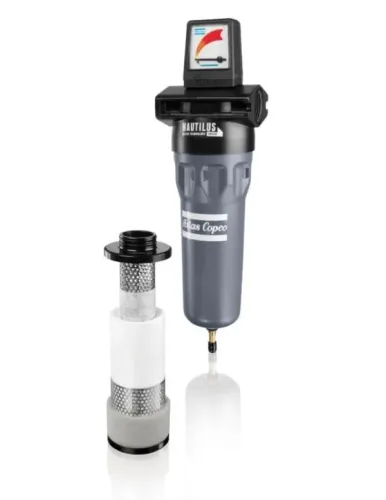
- Differential-pressure gauges across the coalescing filter, dust filter, and dryer show a blocked element or saturated cartridge.
- A pressure-dew-point meter at the dryer outlet shows whether wet feed air is reaching the molecular sieve.
- An oil-aerosol test or oil-indicator tube after the separator detects carryover that can foul the sieve.
- A calibrated flow meter at the generator inlet exposes an undersized branch, leaking joint, or restricted valve.
- An ultrasonic leak detector checks the compressor-to-generator line separately from the oxygen-distribution line.
- A backpressure gauge or manometer at the PSA exhaust muffler identifies a blocked silencer or exhaust pipe.
| Location | Instrument or check | What the result means |
|---|---|---|
| Filter or dryer outlet | Pressure gauge and differential-pressure gauge | A sharp drop points to a blocked filter, saturated dryer, or failed drain. |
| Generator inlet | Pressure gauge, flow meter, and oxygen analyzer | Low pressure or flow with unstable purity indicates feed piping or treatment; correct inlet readings with poor purity point inside the generator. |
| Oxygen header or branch | Pressure gauge and flow meter | Normal generator purity but low user flow indicates a small pipe, closed valve, blocked point-of-use filter, or excessive backpressure. |
| Receiver and drains | Pressure gauge and visual drain inspection | Water or rapid pressure cycling indicates receiver drainage or demand problems. |
This instrument-based oxygen generator piping troubleshooting separates an air-treatment fault from a generator fault before you replace adsorption vessels or controls.
A Practical Troubleshooting Sequence for Bangalore Sites
Before replacing the generator, prove whether the fault is feed-air delivery, exhaust backpressure, or the generator itself. A site log for air line piping oxygen generator performance problems in bangalore must include peak demand, ambient temperature, monsoon humidity, drain operation, dust, and power interruptions.
1. Record pressure at the compressor outlet, after the dryer and filters, and at the generator inlet while the generator produces rated flow. Ignore a normal idle gauge reading; compare dynamic pressure during adsorption and regeneration.
2. Inspect and drain the receiver, filters, dryer, low points, and automatic drains. Check for water, oil, rust scale, thread sealant, welding debris, and cutting oil. Blow new piping away from the generator before connecting it.
3. Test leaks separately. Isolate the compressor-to-generator section to find lost feed-air flow and continuous compressor running, then test the oxygen-distribution section for delivered-oxygen loss.
4. Check the inlet branch for undersized pipe, long hose, excessive elbows, blocked filters, and restrictive valves. Check the PSA exhaust for a blocked muffler, crushed tube, undersized common vent, or water accumulation.
5. Repeat the pressure and purity test during Bangalore’s highest demand period. If inlet pressure, flow, or purity recovers after correcting the piping fault, do not replace the generator.
Use oxygen generator piping troubleshooting specialist support when pressure loss cannot be located, piping needs rerouting, exhaust backpressure persists, or contamination entered valves or molecular-sieve vessels. Raya Virra Sales can help survey the route, select pipe sizing, and verify the installation before recommissioning.
Related products
 | Stainless Steel Piping system ensures 100% oil-free air delivery from the generation to the point-of-use, in compliance with the highest quality standards. View product → |
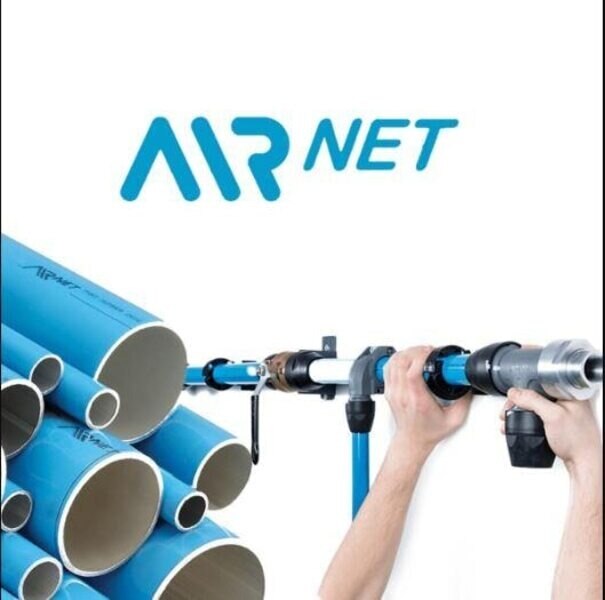
 | Aluminum Air Line Piping Aluminium has become the industry standard for complete compressed air piping systems because it is both anti-corrosive and lightweight, and easy to... View product → |
Frequently asked questions
What feed-air conditions does an oxygen generator need?
It needs the manufacturer’s specified inlet pressure while the PSA beds are adsorbing, with clean, dry, oil-controlled air at the required flow. A compressor-room gauge alone does not confirm these conditions at the generator inlet.
How do air line piping faults affect oxygen-generator performance?
Pressure loss or fluctuation reduces the pressure swing available for nitrogen adsorption and bed regeneration. The generator can then show falling oxygen purity, lower flow, abnormal cycles, or an inlet-pressure alarm.
How do you measure pressure loss while an oxygen generator is running?
Install or connect calibrated gauges at the air-treatment outlet and generator inlet, then compare readings during adsorption at the generator’s operating flow. The difference identifies pressure loss across the supply path.
How can you isolate a faulty air-piping section?
Measure pressure at successive points across filters, dryers, valves, flexible hoses, reducers, and pipe branches while the generator runs. A sharp pressure drop between two points identifies the section requiring inspection.
Related product
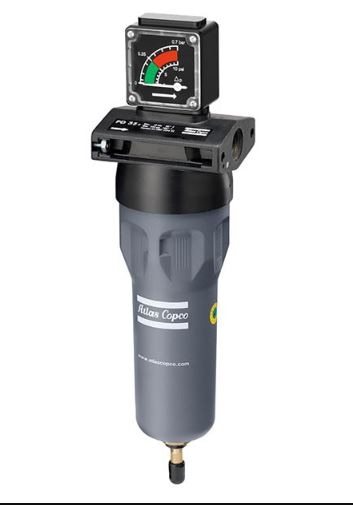 | Air Line Filters DD-PD-QD In almost all applications, contamination of the air supply can cause serious performance decline and increase maintenance costs in terms of actual... |