
A damaged pipe can introduce moisture, oil, metal fines, gasket fragments and dust into the air feeding a PSA or membrane oxygen generator. By tracing where contamination enters, checking the right measurements and following a controlled repair sequence, you can separate a piping fault from a compressor, dryer, filter or molecular-sieve problem.
Key takeaways
- Isolate and depressurise the line before opening any damaged section.
- Use pressure, dew-point and particle checks to locate the contamination source.
- Remove dents, dead legs and failed joints instead of masking their symptoms.
- Clean, dry and purge repaired piping before reconnecting the generator.
How a damaged pipe changes the air reaching the generator
A stainless pipe can deliver dirty feed air even when its wall is corrosion-resistant. Cutting, drilling, threading, grinding, or a failed coupling can shed metal fines, weld debris, gasket fragments, PTFE tape, machining oil, and abrasive dust; a breach can also draw ambient dust into a depressurised line.
That is oxygen generator piping contamination, not merely an external leak.
Moisture and oil are usually more damaging than visible rust. Condensation from humid air, a blocked drain, or a wet shutdown can collect in a dent, dead leg, or rough joint, then move downstream as slugs.
Compressor oil aerosol and degraded seal material can coat filters and molecular-sieve beds in a PSA generator, increasing pressure drop, reducing adsorption capacity, shortening bed life, and causing falling oxygen purity or flow.
The consequences often appear as unstable inlet pressure, higher compressor loading, frequent filter changes, or generator alarms rather than a visibly dirty pipe. Track these four inlet readings alongside oxygen purity and flow:
- Pressure under load
- Pressure dew point
- Oil aerosol or total-oil content
- Particle-filter differential pressure
The pattern helps separate stainless steel piping oxygen generator problems from compressor oil carryover, dryer failure, undersized filtration, or a deteriorating molecular-sieve bed. A loose seal or unsealed open end can admit particles continuously, while internal scale can break free after vibration or restart.
Find out whether the fault is before, after or beyond the generator
Take samples at three points: after the final feed-air filter and dryer, at the oxygen-generator outlet, and at the point of use. This separates oxygen generator air quality problems caused by damaged stainless piping in Bangalore from faults inside the generator or downstream.
- Record inlet pressure, flow, pressure dew point, oil aerosol, particles and oxygen concentration at the generator inlet. Repeat during compressor restart, receiver drainage and humid monsoon conditions; a dry inspection can miss water trapped in a dead leg.
- Record oxygen purity, outlet pressure and flow directly at the generator outlet, then repeat at the user connection. Use the same calibrated analyser, allow readings to stabilise and note sampling-tube material and length.
- Compare the results. Contaminated feed air, a low pressure dew point or particles before the generator identify the feed-air pipe, drains, dryer or upstream filter. Clean inlet air with falling product purity points to the generator or its adsorbent beds.
- Clean, stable product at the generator but poor purity or visible debris at the user connection identifies the oxygen product line, hose, valve, regulator or terminal filter. Sample each branch if only one outlet fails.
- Inspect the suspect section for loose couplings, failed seals, unsealed ends, water discharge, oil film and metal fines after isolation and depressurisation.
Do not treat a purity alarm alone as proof of an upstream pipe fault. Pressure drop and contamination trends give the location together.
Why dents, dead legs and failed joints reduce generator performance
A dented feed pipe can reduce generator inlet pressure even when the compressor outlet gauge looks normal. At design flow, the restriction lowers adsorption performance in PSA sieve beds, causing low oxygen purity, reduced flow, unstable cycling, and greater compressor loading.
| Failure | What happens inside the line | Effect at the generator |
|---|---|---|
| Dents or internal scale | The bore narrows and creates turbulence and pressure drop | Low inlet pressure, reduced capacity, and purity alarms |
| Dead legs and low points | Condensate, oil and particles collect, then release after shutdown or flow changes | Moisture shock, filter loading, and unstable oxygen production |
| Failed joints or seals | Cracked fittings, loose threaded joints, poor orbital welds, or gasket fragments leak or shed debris | Unstable inlet pressure and oxygen generator piping contamination |
| Open ends or breached pipe | Ambient dust and humid air enter the system | Particle contamination and sudden pressure loss |
These stainless steel piping oxygen generator problems become harder to detect during Bangalore’s dry periods. Monsoon humidity, compressor shutdowns, or a failed drain can release water from a pocket into the air stream; liquid water and oil aerosol foul molecular sieve, increase bed pressure drop, and shorten adsorbent life.
Check pressure at the generator inlet while it runs at design flow, not only at the receiver. Trend pressure dew point, oil aerosol or total oil, particle-filter differential pressure, oxygen purity, and flow together. A leak repair alone is insufficient: remove damaged sections, inspect bore and seals, clean, pressure-test, flush, and then reconnect the generator.
A Bangalore inspection checklist with measurements that prove the cause
Record a baseline before touching the line; otherwise a repaired pipe cannot prove the cause of poor oxygen generator air quality in Bangalore. Test during the wettest expected operating conditions, and repeat every reading after recommissioning.
1. Photograph dents, cracked couplings, failed seals, dead legs, open ends, internal scale and low points. Record pipe size, section length, joint type, drain locations and the damaged section’s position relative to the compressor, receiver, dryer and generator.
2. Measure generator inlet pressure, flow, pressure drop across the feed line and inlet filter differential pressure at the same production rate. Record compressor discharge pressure and receiver pressure while the fault is present.
3. Check every automatic and manual drain during operation and after compressor shutdown. Record drain discharge, receiver water, dryer outlet pressure dew point and the time taken for condensate to appear. Repeat after a humid or monsoon-condition run.
4. Collect labelled air samples before the damaged section, after it and at the generator inlet. Compare particulate, oil-aerosol and liquid-water findings; record oxygen purity, flow and generator alarms at each sample point.
5. After isolation and depressurisation, record the removed part’s bore condition, debris, seal fragments and any oil or abrasive residue. After replacement, document material certificates, seal material, pressure-test result, controlled blowdown and final readings.
A convincing repair shows lower inlet pressure loss, no condensate or debris release, a stable pressure dew point and restored generator purity at the same load. If only the product-line sample remains abnormal, the damaged stainless piping was not the source.
Repair, clean and recommission the line without creating new contamination
Treat the repair as a contamination-control job, not an external leak fix. Isolate the section, depressurise it, and protect the generator inlet from chips, oil, moisture and dust before cutting, grinding or welding. Do not perform hot work on an operating line.
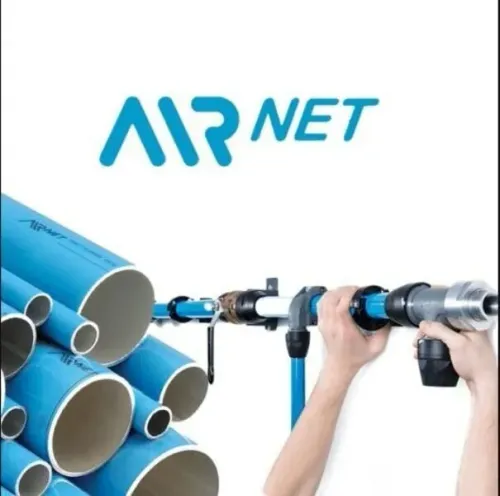
1. Identify the actual system: AIRnet modular piping, stainless process pipe, adapters, fittings and seal materials. Confirm the replacement grade, dimensions and pressure rating against the installed system and the generator manufacturer’s feed-air specification.
2. Remove the dented, cracked, corroded or contaminated section. Cap both open ends immediately, and reject parts with visible bore scoring, weld debris, gasket fragments or machining oil.
3. Install compatible fittings and seals using the specified joining method. Do not substitute threaded tape, lubricants or elastomers without confirming feed-air compatibility.
4. Inspect the internal bore with light and a clean, lint-free wipe. Remove chips, slag, loose oxide, abrasive dust and oil before assembly.
5. Pressure-test the repaired section at the approved test pressure, record the result, and correct leaks before reconnecting the generator. Then flush or blow down through a safe discharge until the agreed cleanliness criterion is met.
6. Reconnect only after checking drains, dryer performance and pressure dew point under humid Bangalore conditions. Record the final inlet pressure, test result, flushing method and contamination-control handover.
When comparing a stainless steel air piping supplier in Bangalore, request material certificates, weld or passivation records where applicable, seal compatibility, pressure-test records, flushing criteria and a defined handover. Raya Virra Sales should be asked for the same evidence when it supports an AIRnet stainless steel piping repair.
Do not apply ordinary feed-air cleaning rules to oxygen-enriched product piping.
Related product
Frequently asked questions
How can damaged stainless piping contaminate oxygen generator feed air?
Cutting, drilling, grinding and failed joints can release metal fines, weld debris, gasket fragments, PTFE tape, oil and abrasive dust. A depressurised breach can also draw Bangalore ambient dust into the line.
How do you determine whether the fault is before, after or beyond the generator?
Compare air quality and pressure at the compressor outlet, treatment equipment inlet and outlet, generator inlet and oxygen outlet. A change that appears before the generator points to feed piping; a clean generator inlet with poor oxygen output points inside or beyond the generator system.
Why do dents, dead legs and failed joints reduce generator performance?
Dents restrict flow and increase pressure loss. Dead legs collect condensate and particles, while failed joints leak or admit ambient air. These faults reduce stable feed pressure and increase the contaminant load reaching filters and molecular sieve beds.
What measurements prove an oxygen generator piping fault in Bangalore?
Record pressure at each test point, flow rate, pressure drop across filters, compressed-air dew point, particle counts, oil aerosol results and leak-test findings. Compare readings before and after isolation to identify the faulty section.
How should you recommission repaired stainless piping without creating contamination?
Remove debris, clean the replacement section, inspect welds and seals, dry the line, pressure-test it, then purge with clean dry air before reconnecting the generator. Confirm particle, oil and dew-point readings before returning to service.
Related product
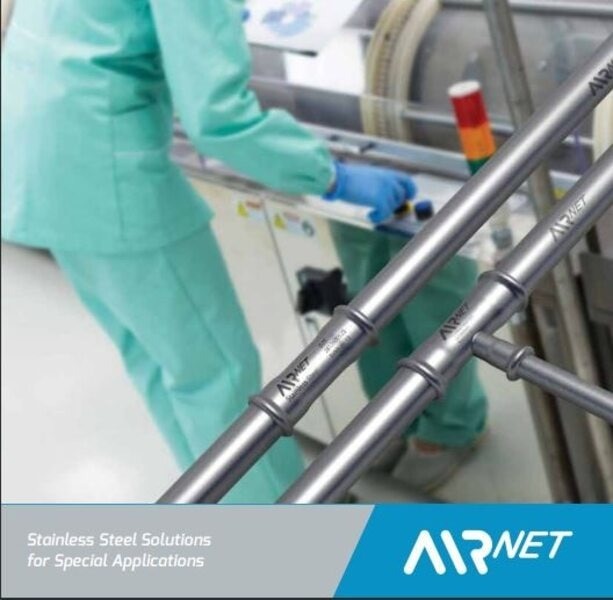
 | Stainless Steel Piping system ensures 100% oil-free air delivery from the generation to the point-of-use, in compliance with the highest quality standards. View product → |