
A nitrogen generator receives compressed air, not laboratory-grade feed gas. Oil aerosol, liquid water, rust, pipe scale and fine dust can reach the membrane or molecular-sieve bed unless the air system removes them in the right order. By the end, you will be able to specify a filter using flow, pressure, temperature, pressure-drop and contamination data rather than choosing by nominal micrometre rating alone.
Key takeaways
- Use staged filtration to remove particles, liquid water and oil aerosols before separation.
- Install the combination filter downstream of the air dryer and upstream of the generator.
- Size by actual inlet flow, pressure, temperature and pressure-drop limits.
- Check drain type, element grade, replacement interval and documentation before buying locally.
What a combination pre-micro filter protects inside the generator
Both membrane and PSA nitrogen generators need clean, dry feed air before separation. A membrane uses selective hollow fibres; a PSA unit uses molecular-sieve or carbon-molecular-sieve beds. Neither process is a substitute for staged upstream filtration.
1. Remove the larger load first. A pre-filter captures solid particles, rust, pipe scale, desiccant dust and wet dust, while a separator and drain handle liquid water and liquid oil. Without this protection, debris blocks passages, and liquid can foul hollow fibres or reduce molecular-sieve adsorption capacity.
2. Follow with coalescing microfiltration. A high-efficiency coalescing element captures fine oil aerosol and water droplets, which otherwise carry compressor contamination into the generator and can contaminate the nitrogen outlet. Oil aerosol is suspended liquid; liquid oil is bulk fluid. Water vapour is gas and requires drying, not ordinary particle filtration.
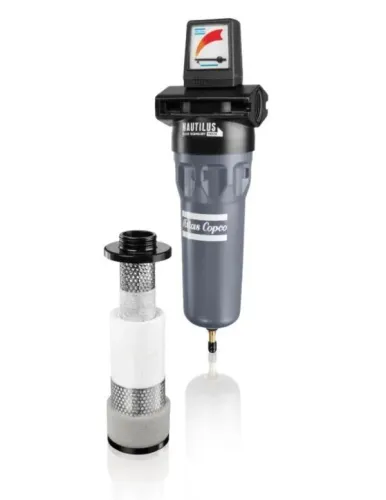
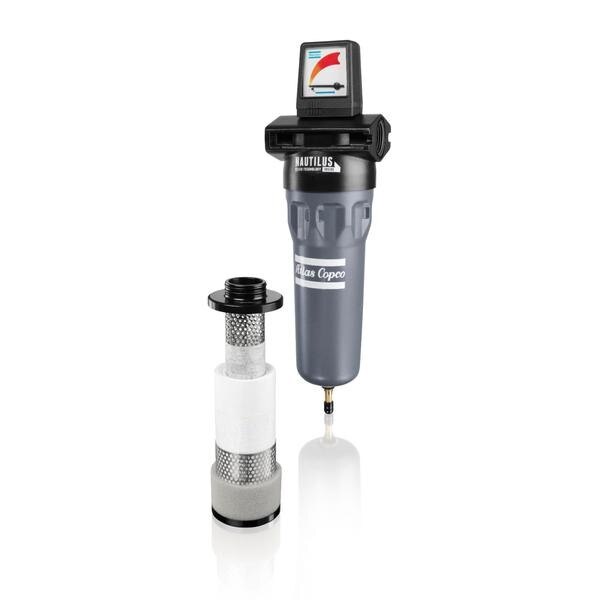
3. Treat the name as a description, not a standard. A nitrogen generator combination filter usually pairs larger-particle pre-filtration with coalescing microfiltration in one compact assembly or staged housing. The phrase combination pre micro filter is not a universal classification, so check the generator maker’s specified grade.
This protection does not remove oil vapour, sterilise air or guarantee nitrogen purity, oxygen concentration or dew point. Activated carbon may be required for oil vapour; separate testing verifies the nitrogen product.
Where each filtration stage belongs in the air system
The usable sequence is compressor, aftercooler and receiver, condensate separator with an automatic drain, dryer, particulate or pre-filter, coalescing micro-filter, then the nitrogen generator. Keep fine filtration downstream of bulk-liquid control.
- Remove bulk water and oil in the aftercooler, receiver, separator and drain.
- Dry the compressed air to the generator maker’s specified pressure dew point.
- Catch rust, pipe scale and larger solids in the particulate or pre-filter.
- Remove fine oil and water aerosols in the coalescing micro-filter.
- Add activated carbon after effective coalescing filtration when the generator specification requires residual oil-vapour or hydrocarbon-vapour control.
A coalescing element is not a liquid-storage tank. A poorly drained receiver can send slugs of water or oil into it, rapidly raising pressure drop and carrying contamination into the generator. A combination pre micro filter cannot replace a dryer, condensate drain or generator-maker-specified pre-treatment.
At the nitrogen outlet, use a sterile or final-point filter only when the application requires protection against microorganisms or downstream particles. That filter treats nitrogen at the point of use; it does not replace feed-side protection or prove nitrogen purity, oxygen concentration, dew point or residual oil.
| Option | What it means | Main trade-off |
|---|---|---|
| Single particulate filter | Removes larger solids | Compact, but inadequate for fine oil and water aerosols |
| Combination pre micro filter | Pre-filter and coalescing stages in one assembly | Fewer connections, but shared housing and staged loading |
| Separate pre-filter and micro-filter | Independent housings and elements | Easier inspection and replacement, with more space and connections |
| Activated-carbon filter | Adsorbs oil vapour and hydrocarbons | Needed only when specified; saturation requires timely replacement |
| Sterile or final-point filter | Protects the nitrogen outlet or process | Point-of-use protection, not generator feed treatment |
A clean air filter for nitrogen generator service must therefore match the maker’s specified arrangement, not just a nominal micron rating.
How to size the filter for real generator demand
Obtain the nitrogen generator manual before choosing a nitrogen generator combination filter. Use the generator’s peak compressed-air demand, not its average demand, because production falls when the inlet cannot supply the highest required flow.
| Generator requirement | Filter data to compare |
|---|---|
| Peak air demand | Rated flow in Nm³/h or m³/min |
| Operating conditions | Operating-pressure range and maximum inlet temperature |
| Air-quality limits | Maximum oil carryover, pressure dew point and particulate limit |
| Required treatment | Generator-specified inlet treatment and residual-oil specification |
| Filter performance | Filtration rating in micrometres and filtration efficiency |
| Pressure loss | Initial pressure drop and saturated or end-of-life pressure drop |
| Installation fit | Connection size and pressure rating |
A nominal micron number alone proves little. A 1-micrometre claim has meaning only alongside the test method, removal efficiency, rated flow and pressure-loss data; otherwise it cannot show whether the element controls nitrogen generator air contamination.
An undersized element or an unnecessarily restrictive grade creates higher pressure loss, which can reduce inlet pressure, lower nitrogen output and increase compressor energy use. Check the selection at the element’s loaded or end-of-life condition, not only when new.
A clean-looking element can already be oil-saturated, so use the manufacturer’s loaded pressure-drop figure and replacement limit.
Installation and maintenance details that keep the filter effective
A correctly rated filter still fails if air enters backward, liquid floods the housing, or vibration loosens its connections. Install it with the marked airflow direction, upstream isolation valves, pressure gauges or a differential-pressure indicator, an automatic drain, safe drain discharge, and enough clearance to replace the element.
A coalescing element depends on its drain. A failed, blocked, or manually closed drain can send collected water and oil into the nitrogen generator. Prevent condensate carry-over, support the filter against vibration, and avoid abrupt piping transitions at the inlet and outlet; use straight pipe where the filter maker’s instructions specify it.
Use this installation checklist:
- Confirm the housing arrow matches compressor-to-generator airflow.
- Route drain discharge to a safe collection or disposal point without back-pressure.
- Keep the housing away from vibration and provide access for element removal.
- Fit a bypass only with isolation valves, controlled changeover, and a lockable safeguard against untreated air reaching the generator.
- Record the initial pressure drop and replace the element at the maker’s differential-pressure limit or documented interval.
Do not judge a clean air filter for nitrogen generator service by appearance. A combination pre micro filter can look clean while oil-loaded. Check feed-air filtration separately from nitrogen product testing: verify oxygen concentration, dew point, and residual oil with the generator’s controls and calibrated downstream or point-of-use instruments.
A practical specification check before you buy locally
A local search for combination pre micro filter for nitrogen generator in Tumkur should begin with the generator manual, not the filter shelf. Ask the supplier to review the generator model and inlet-air specification alongside:
- Compressor type and free-air delivery
- Peak compressed-air flow, operating pressure and inlet temperature
- Dryer performance and pressure dew point
- Drain arrangement and condensate discharge
- Required nitrogen flow and purity
Then compare the nitrogen generator combination filter against the approved specification:
| Check | Approved requirement | Reject or investigate |
|---|---|---|
| Filter grade | Generator-maker-specified pre-filter and coalescing grade | Same nominal micron rating without efficiency data |
| Connection | Correct port size and airflow direction | Adaptors that restrict flow or complicate service |
| Pressure | Housing and element rating above operating pressure | Rating below the compressor’s maximum pressure |
| Capacity | Rated flow above peak demand | Capacity based only on average demand |
| Pressure loss | Initial and end-of-life differential pressure documented | No loaded-element pressure-drop figure |
A matching micron number does not make a locally available element an automatic replacement. Select against total pressure loss at end of life; excessive restriction can lower generator inlet pressure and nitrogen output. Check that the housing permits safe element access and drain maintenance.
Raya Virra Sales can add value when the decision requires matching the filter, dryer, drains and piping, rather than supplying an isolated housing. Choose documented compatibility and service access over brand name or compact size alone.
Related products
 | Air Line Filters Pre, Micro & Activated Carbon Filter In almost all applications, contamination of the air supply can cause serious performance decline and increase maintenance costs in terms of actual... |
 | Air Line Filters Combination of Pre & Micro Filter UD+ filters efficiently reduce oil aerosol, wet dust and water drops in your compressed air stream to protect your investment, equipment and... |
Frequently asked questions
What does a combination pre-micro filter protect inside a nitrogen generator?
The pre-filter removes larger particles and liquid aerosols, while the microfilter captures finer particles and oil mist before air reaches the membrane or adsorption beds.
Where should a combination filter sit in a nitrogen generator air system?
Install filtration after the compressor receiver and air dryer, then place the final clean-air filter immediately before the nitrogen generator inlet when the system design requires it.
How do you size a filter for actual nitrogen generator demand?
Match the filter to the generator’s maximum inlet flow, operating pressure and air temperature, then confirm the manufacturer’s rated flow and allowable pressure drop.
What should you check before buying a nitrogen generator combination filter locally?
Confirm connection size, filter grades, drain arrangement, pressure rating, element availability, differential-pressure indication and documentation for the intended flow conditions.
Related products
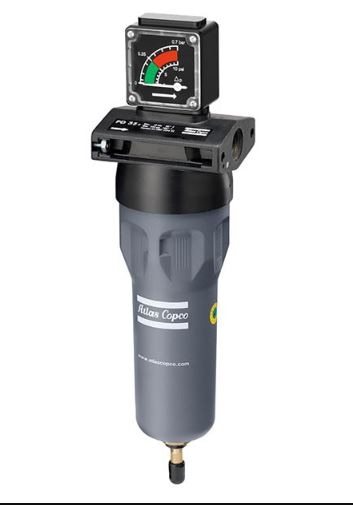 | Air Line Filters DD-PD-QD In almost all applications, contamination of the air supply can cause serious performance decline and increase maintenance costs in terms of actual... |
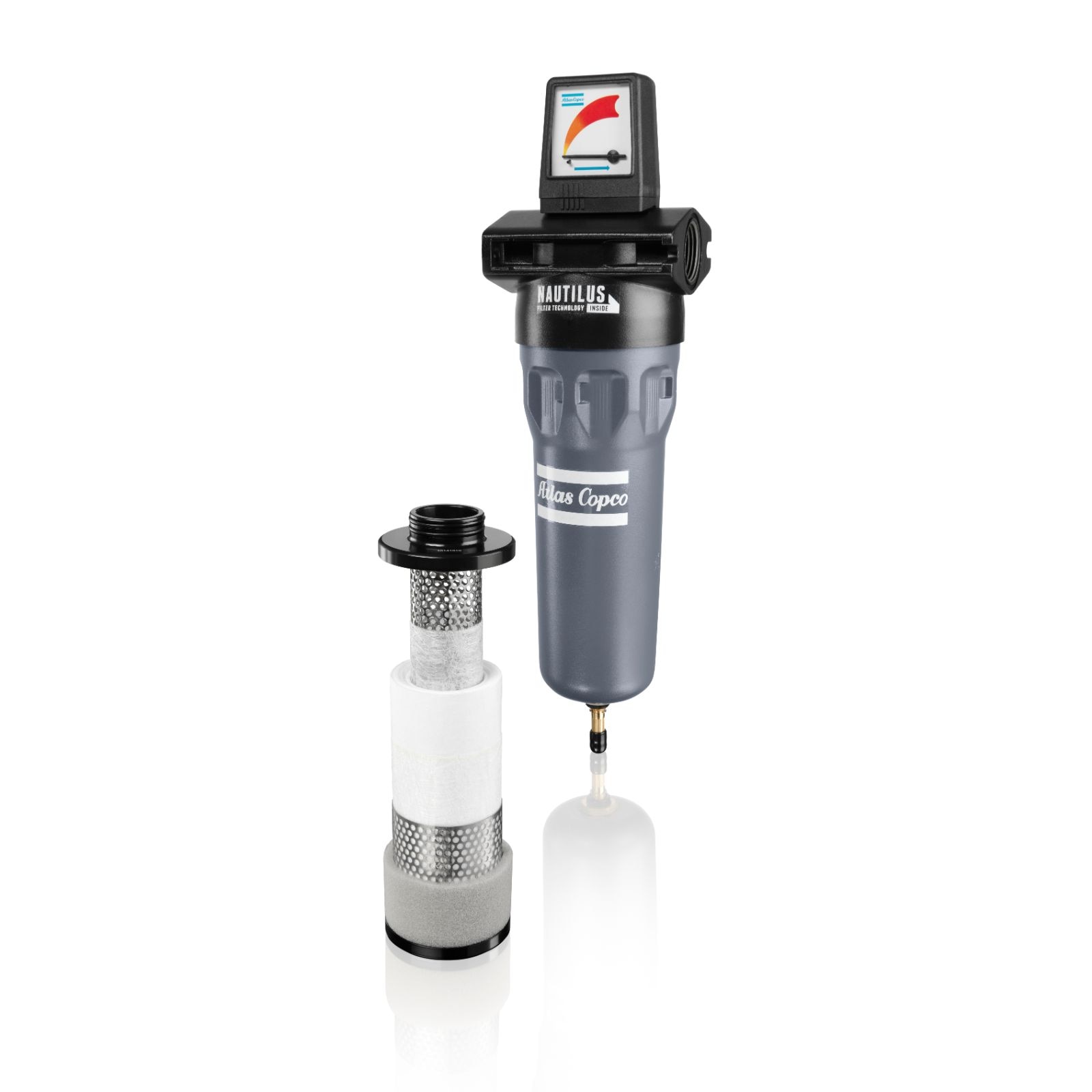 | Air Line Filters UD+ UD+ filters efficiently reduce oil aerosol, wet dust and water drops in your compressed air stream to protect your investment, equipment and... |